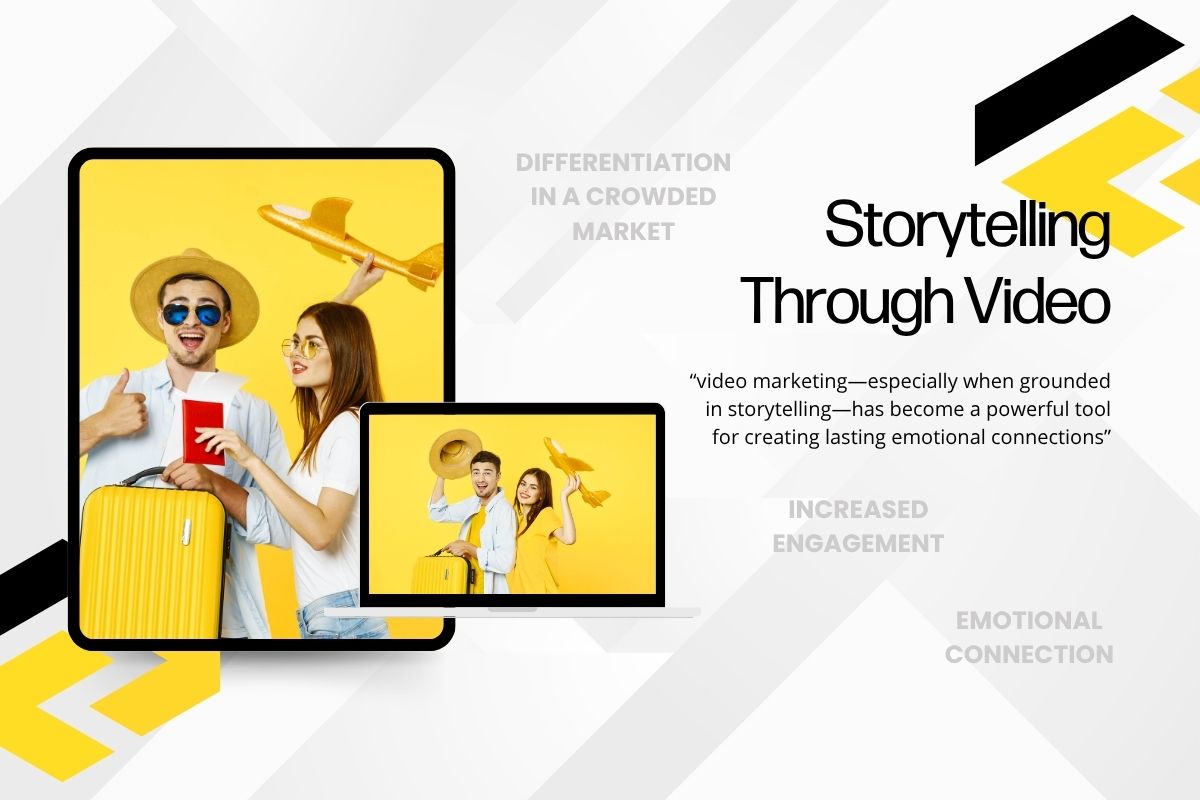
Storytelling Through Video
Storytelling Through Video Marketing: Captivate, Engage, and Connect with Your Audience
In a world where consumers are bombarded with information, it’s harder than ever for brands to capture and retain attention. Traditional marketing techniques still play a role, but video marketing—especially when grounded in storytelling—has become a powerful tool for creating lasting emotional connections. Storytelling through video isn’t just about selling a product or service; it’s about creating a memorable experience that resonates with your audience.
Here, we’ll explore why storytelling is crucial in video marketing and how you can leverage it to enhance your brand’s reach and engagement.
Why Storytelling in Video Marketing Matters
Emotional Connection: Stories have an unparalleled ability to connect with audience
emotionally. When people watch a story unfold, they feel connected to the characters, situations, and challenges. This emotional resonance fosters trust, encouraging people to invest in your brand on a deeper level.
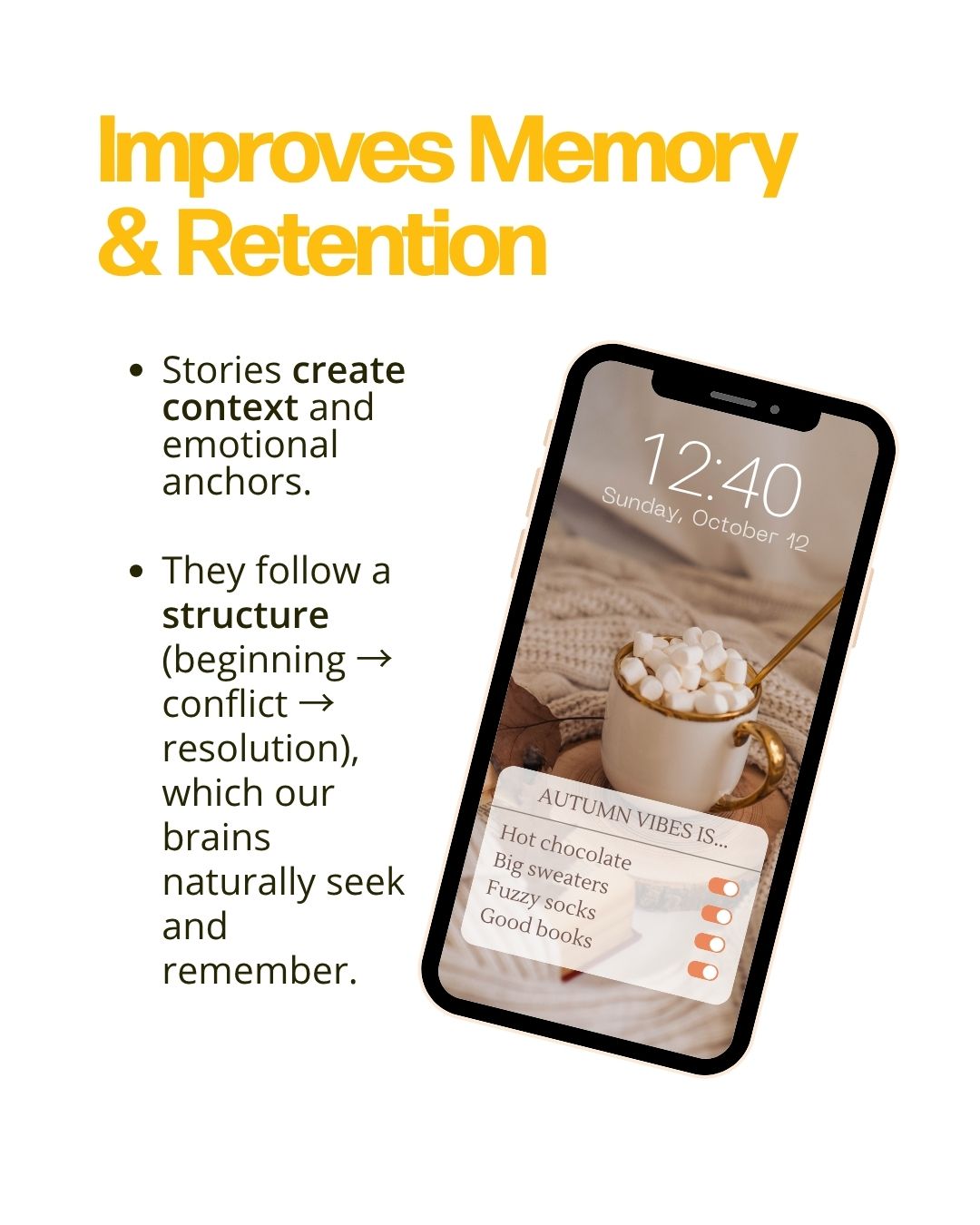
Increased Engagement: Studies show that videos with a strong narrative structure increase viewer engagement and retention. Audiences are more likely to watch until the end, share the content, or take action if they feel immersed in a story. Storytelling grabs attention and encourages people to become active participants in your brand’s journey.
Differentiation in a Crowded Market: In a competitive market, simply listing features and benefits isn’t enough. By sharing unique stories—such as behind-the-scenes glimpses, customer journeys, or values-driven narratives—you give your brand a unique voice and identity. This differentiation can be the deciding factor for customers choosing between your brand and a competitor.
How to Tell a Compelling Story in Your Video Marketing
Start with a Clear Narrative Structure
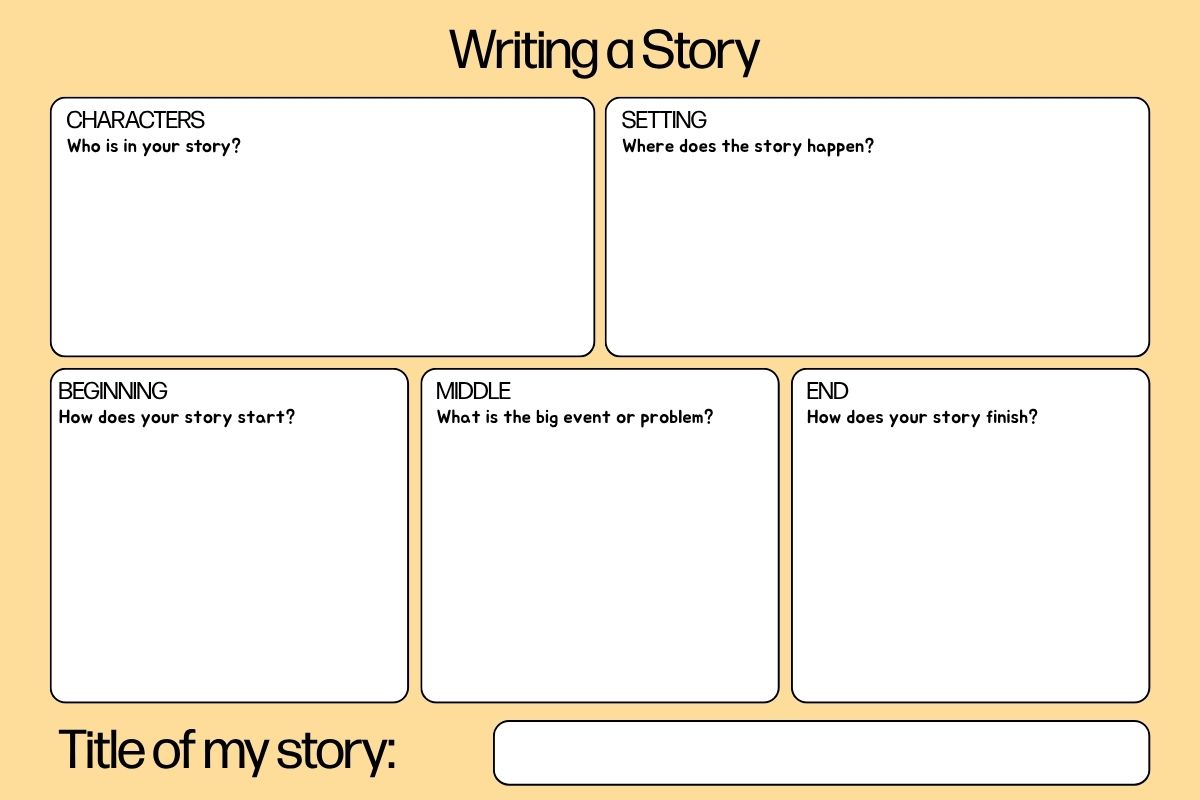
A classic narrative has three parts: Problem, Solution, and Success.Problem: Start with a relatable issue or challenge. This sets up tension and grabs attention.
Solution: Introduce your product or service as the answer, showing how it addresses the problem.
Success: Conclude with a positive outcome, demonstrating the impact or benefits of your solution.
This structure gives your video direction and keeps viewers engaged, ensuring they understand not just what you’re offering but why it matters.
Focus on Authenticity
Today’s audiences value authenticity more than perfection. Instead of presenting a polished, overly scripted message, aim to show genuine experiences. Share real customer testimonials, behind-the-scenes footage, or candid moments. Authenticity builds trust, making viewers more likely to connect with and believe in your brand.Showcase Relatable Characters and Scenarios
Characters are the heart of any story. Your audience wants to see people they can relate to—individuals who share their struggles, dreams, and aspirations. Use characters that represent your target demographic, and craft stories around situations that mirror your audience’s lives. When viewers see themselves in your story, they’re more likely to engage with your brand.Use Visuals and Sound to Evoke Emotion
Visuals and audio work together to enhance your story’s emotional impact. Use color, lighting, and framing to set the mood. For instance, warm colors can create feelings of comfort, while darker tones can convey mystery or tension. Background music, sound effects, and tone of voice also play a huge role in setting the emotional tone. A well-curated soundtrack can amplify the emotional journey, taking your storytelling to the next level.Include a Strong Call-to-Action (CTA)
Every story needs an ending that inspires action. After leading viewers through your narrative, conclude with a clear and compelling CTA that encourages them to take the next step, whether it’s exploring your website, signing up for a newsletter, or purchasing a product. Your CTA should feel like a natural extension of the story, aligning with the emotions you’ve built throughout the video.
Types of Stories You Can Tell in Your Video Marketing
Customer Success Stories
Share real experiences from customers who have used your product or service. Let them tell their own story of the challenges they faced, how your brand helped them, and the positive outcome. These testimonials build credibility and provide relatable success stories.
Behind-the-Scenes Narratives
Take viewers behind the curtain to show the people and processes that make your brand unique. Whether it’s a day in the life of your team, a glimpse into your creative process, or the story of how a product is made, these insights make your brand feel approachable and human.
Values-Driven Stories
More consumers are supporting brands whose values align with their own. Share stories that reflect your brand’s core values—such as community involvement, environmental responsibility, or inclusivity. These videos help you connect with like-minded consumers and show that you stand for more than just profits.
Explainer and Tutorial Videos
While often informational, explainer videos can be storytelling tools. Create a story around a character facing a common issue, then show how your product or service solves that issue. This helps viewers visualise the value of your offering in a real-world context.
Tips for Maximising Your Storytelling Video’s Reach
Optimise for Mobile Viewing
With over 70% of video content watched on mobile devices, ensure your video is mobile-friendly. Use captions, keep text large and readable, and avoid overly complex visuals that may not display well on smaller screens.Leverage Social Media Platforms
Each social media platform has its own culture and audience preferences. Tailor your storytelling video for each platform. For instance, shorter, punchier content works well on TikTok and Instagram Reels, while longer, more detailed videos are suited for YouTube.Encourage Sharing and Interaction
Encourage viewers to share the video by adding interactive elements like polls, questions, or prompts to comment. The more interaction your video generates, the wider its reach will become.Analyse and Iterate
Track metrics like view duration, engagement, and conversions to understand how well your video resonates with your audience. Use these insights to refine your future storytelling efforts, continually honing your approach to meet your audience’s evolving preferences.
Final Thoughts
In an increasingly digital world, storytelling through video marketing is a powerful way to stand out and connect on a personal level with your audience. By creating authentic, engaging narratives, you’re not just selling a product—you’re building a relationship and fostering a community. So, embrace the power of storytelling and let your brand’s personality shine through each video.
Remember, every brand has a story to tell—what’s yours?